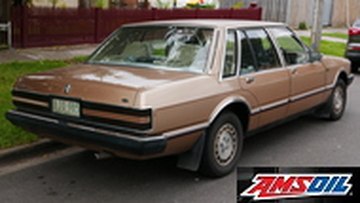
Lubrication Maintenance for the 1982 Ford LTD 4.2L
Maintaining a vehicle from the early 1980s requires a proactive approach to fluid management and mechanical inspection. For the 1982 Ford LTD equipped with the 4.2L engine, consistent attention to lubrication is a fundamental aspect of long-term ownership. Because older engines may exhibit different sealing characteristics than modern counterparts, understanding how to monitor and respond to changes in lubricant condition is essential for preserving engine health.
Monitoring Fluid Integrity and Potential Leaks
One of the most effective ways to manage an aging engine is through regular visual inspections of the engine bay and the ground beneath the vehicle. For a 1982 Ford LTD, checking for signs of fluid seepage can help identify issues before they escalate into more significant mechanical concerns. When performing these checks, look for dark or oily stains on various engine surfaces or pooling on the driveway.
If you notice evidence of leakage, it is important to investigate the source carefully. Seepage can occur at various points where gaskets and seals meet mating surfaces. Rather than assuming a specific component has failed, observe whether the fluid appears fresh or if it has accumulated dust and debris, which may indicate a slow, long-term leak. Additionally, checking the condition of any visible hoses or connections can provide insight into the overall state of the engine's peripheral systems. If any components appear excessively soft, cracked, or brittle, they warrant closer inspection to prevent unexpected failures.
Interpreting Changes in Lubricant Condition
The appearance and behavior of engine oil can serve as a useful indicator of how the engine is operating. While many factors can influence the state of the lubricant, certain changes should prompt a more thorough investigation. For instance, if you notice an unusual odor during or after operation, it may indicate that oil is contacting a hot external surface.
It is also beneficial to monitor for any unexpected consumption of oil between service intervals. If you find that the oil level on the dipstick is dropping more rapidly than previously observed, this warrants an inspection to determine if the engine is consuming lubricant or if there is an external leak. Furthermore, changes in the color or texture of the oil—such as a milky appearance or a heavy presence of particulate matter—can be associated with various internal conditions and should be addressed by a qualified technician to ensure the engine remains properly lubricated.
Prioritizing Maintenance Based on Current Condition
For owners of a 1982 Ford LTD, effective maintenance is often more about responding to the actual state of the vehicle than following a generic age-based timeline. As vehicles age, their maintenance needs can shift based on how they have been driven and how well they have been cared for in the past. Establishing a baseline is a critical first step if you do not have access to a complete service history.
If maintenance records are incomplete, begin by documenting every fluid change, filter replacement, and mechanical repair. This creates a roadmap of what has been accomplished and what may be approaching the end of its service life. When deciding where to focus your efforts, prioritize active concerns such as visible leaks or changes in engine noise over purely theoretical repairs. Distinguishing between necessary preventive maintenance and unnecessary parts replacement is key to efficient ownership. By focusing on the current condition of components like belts (if equipped) and electrical connections, you can make informed decisions that extend the operational life of the 4.2L engine.
The Role of Lubrication in Engine Longevity
Engine oil performs several vital roles that are necessary for the continued operation of the 4.2L powerplant. Beyond simply reducing friction between moving parts, the lubricant plays a significant role in managing the thermal environment within the engine. As the engine operates, heat is generated through combustion and mechanical movement; the circulating oil helps to carry this heat away from critical areas.
Furthermore, the oil acts as a cleaning agent by suspending small amounts of debris and contaminants, preventing them from settling and forming deposits that could interfere with engine operation. Maintaining high lubricant quality ensures that these functions—friction reduction, thermal management, and deposit control—are performed effectively. Consistent attention to the cleanliness and specification of the oil is one of the most impactful ways to support the long-term health of the vehicle.
Observing Mechanical Warning Signs
While many maintenance tasks are routine, some signs require immediate attention. If a warning light or indicator appears on the dashboard related to engine operation, it should be treated as a priority. Such indicators can be associated with various issues ranging from low fluid levels to sensor malfunctions. Similarly, any new or unusual mechanical noises—such as tapping, knocking, or grinding—should be investigated promptly.
It is important to remember that symptoms like smoke or unusual sounds can have multiple underlying causes. For example, different types of exhaust smoke may indicate various states of combustion or lubrication. Rather than attempting to diagnose a specific component based on a single symptom, use these signs as prompts for a professional inspection. Early detection through careful observation can often prevent more extensive mechanical complications.
Practical Guidance for Buying Engine Oil for your 1982 Ford LTD 4.2L
When it is time to replenish the lubrication in your 1982 Ford LTD 4.2L, the most important step is to ensure that the product you select matches the specific requirements of your engine. Because different engines require different chemical properties and thicknesses, you should always refer to the application-specific oil viscosity and information provided on this webpage before making a purchase.
When browsing available products, consider the following practical steps:
- Match the Viscosity: Do not rely on general knowledge or assumptions about what an older engine might need. Use only the viscosity grade listed in the application information shown above for this specific 4.2L engine.
- Evaluate Formulations: Depending on your engine's current condition, you may choose between conventional oil, synthetic blends, or full synthetic options. Some high-mileage oil formulations contain additives intended for use in aging engines, including seal-conditioning additives that may be beneficial for older seals.
- Verify API Certification: Ensure the oil carries a current API certification to guarantee it meets modern standards for detergent and anti-wear properties.
- Check the Label: Always verify that the product packaging explicitly matches the requirements you have identified from the vehicle's technical data.
By following the specific guidance provided in the application details on this page, you can ensure that your 1982 Ford LTD receives the correct lubrication to support its continued operation.